‘India Ke Top 1%’ to go head-to-head with ‘Sa Re Ga Ma Pa’ & ‘Family Full House with Rohit Sharma’
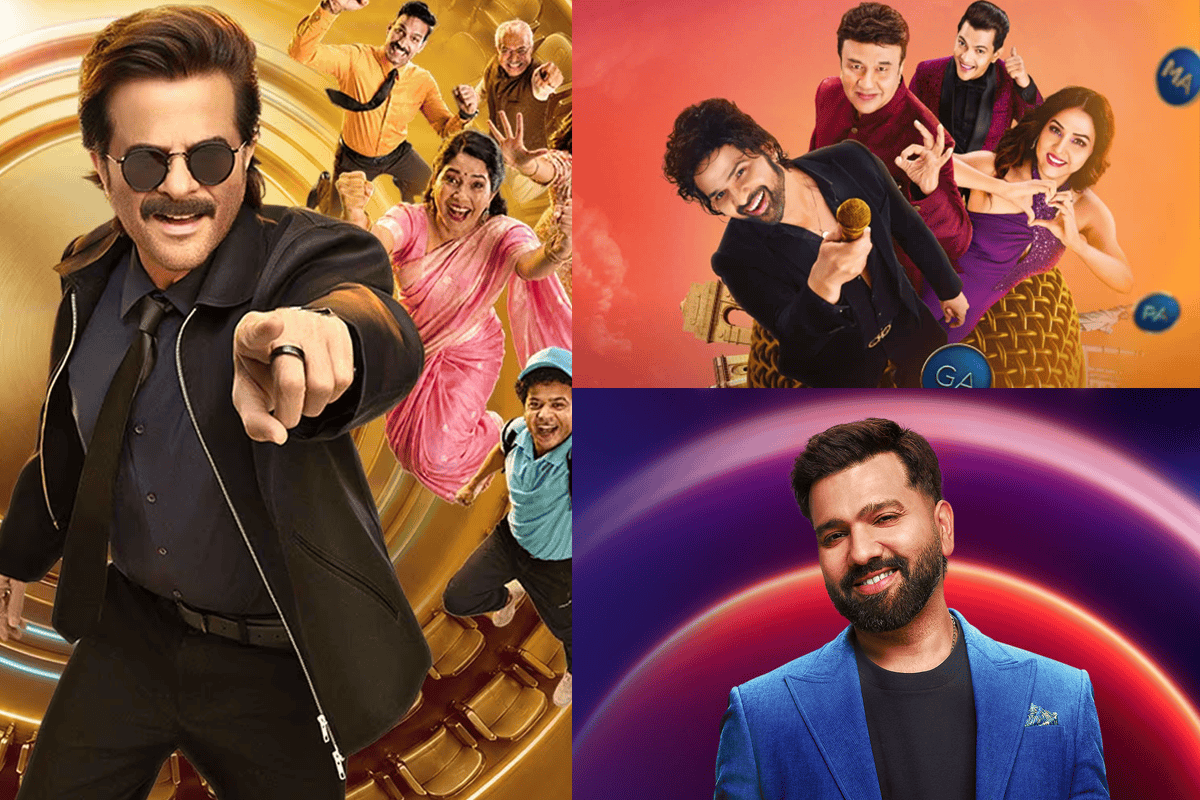
Indian television’s weekend battleground is about to become significantly more crowded.
This weekend will see the arrival of three major entertainment properties, with ‘India Ke Top 1%’ joining the fray alongside ‘Sa Re Ga Ma Pa’ and ‘Family Full House with Rohit Sharma’. The fresh launches enter an already congested market dominated by established reality brands such as ‘Khatron Ke Khiladi’, ‘Bigg Boss 20’ and ‘India’s Best Dancer’, setting the stage for one of the most competitive ratings face-offs of the season.
The battle is not simply about launches. It is about audience fragmentation.
For years, broadcasters could rely on clear audience preferences, with music, dance and celebrity-led reality shows largely operating in separate lanes. That distinction has now disappeared. Every major broadcaster is chasing the same family audience across Saturday and Sunday nights, creating an environment where even established formats can no longer take loyalty for granted.
‘Sa Re Ga Ma Pa’ enters the contest with the advantage of brand familiarity. The franchise has survived multiple television eras and remains one of Indian television’s most recognisable music reality properties. Music-based formats traditionally deliver consistent family viewing, particularly across smaller towns and joint-family households. This year, the show is grander than ever before.
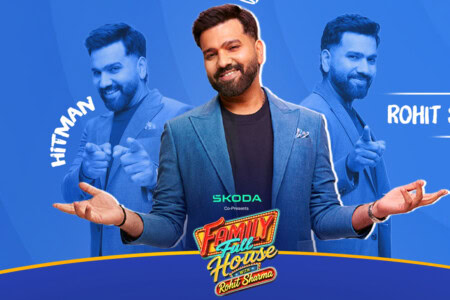
Meanwhile, ‘Family Full House with Rohit Sharma’ arrives with perhaps the most valuable commodity in Indian entertainment: cricket star power. Sharma’s mass appeal stretches beyond cricket fans, giving the show an opportunity to attract casual viewers and family audiences. The success of celebrity-led formats often depends on repeat engagement rather than opening-week curiosity, making the first few weeks crucial.
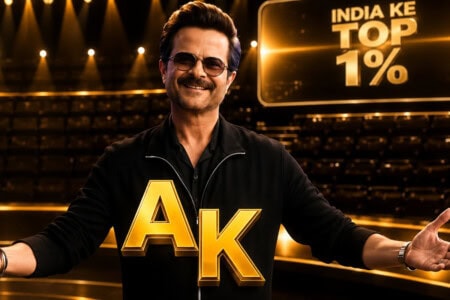
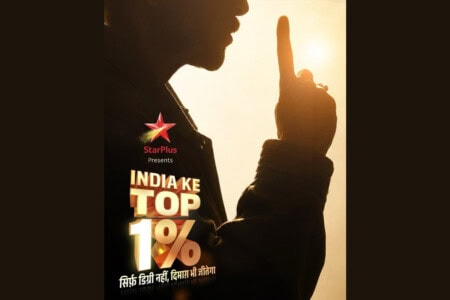
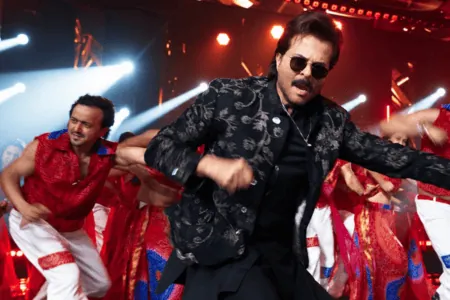
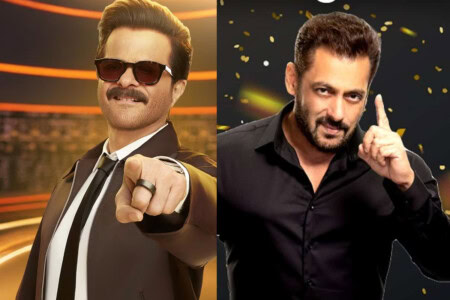
The biggest wildcard could be ‘India Ke Top 1%’ hosted by Bollywood legend, Anil Kapoor. A completely fresh format always carries both opportunity and risk. While new concepts can attract viewers looking for something different, unfamiliar brands lack the built-in audience base enjoyed by long-running franchises. The initial sampling numbers will therefore be closely watched by the industry.
Yet the real threat to all three newcomers may come from the incumbents.
‘Bigg Boss 20’ remains one of Indian television’s strongest discussion-generating properties. Even when ratings fluctuate, the show’s ability to dominate headlines, generate viral clips and drive social media engagement makes it a formidable competitor. Weekend episodes, particularly those featuring major developments and celebrity appearances, often attract casual viewers who may otherwise sample rival shows.
Related to this
 .
.
 .
.

Similarly, ‘Khatron Ke Khiladi’ continues to benefit from its established action-led format and loyal audience base. Unlike singing or talent competitions, the show’s stunt-driven content offers a distinctly different viewing proposition, helping it maintain relevance despite increasing competition.
Then there is ‘India’s Best Dancer’, which remains a robust performer in the weekend entertainment space. Dance reality shows have consistently demonstrated strong family appeal, and the programme’s emotional storytelling, combined with high production values, continues to resonate with viewers.
The result is a marketplace where no single show is likely to dominate outright.
Instead, the likely outcome is a split audience. Music lovers may gravitate towards ‘Sa Re Ga Ma Pa’, cricket fans and curiosity seekers towards ‘Family Full House with Rohit Sharma’, while viewers seeking something new could sample ‘India Ke Top 1%’. At the same time, loyal viewers of ‘Bigg Boss 20’, ‘Khatron Ke Khiladi’ and ‘India’s Best Dancer’ are unlikely to abandon established habits overnight.
The real winners may ultimately be broadcasters capable of generating sustained buzz rather than a strong opening weekend. In today’s television landscape, ratings are increasingly built over weeks through social media traction, digital engagement and word-of-mouth recommendations.
One thing is certain: with six major reality properties competing simultaneously for audience attention, the coming weekends will offer one of the clearest tests yet of how fragmented India’s television audience has become.
The ratings war is about to begin. The bigger question is not who launches strongest, but who can still command audience attention a month later.