Why is ZEE TV’s prime-time dominance not replicating in the UK?
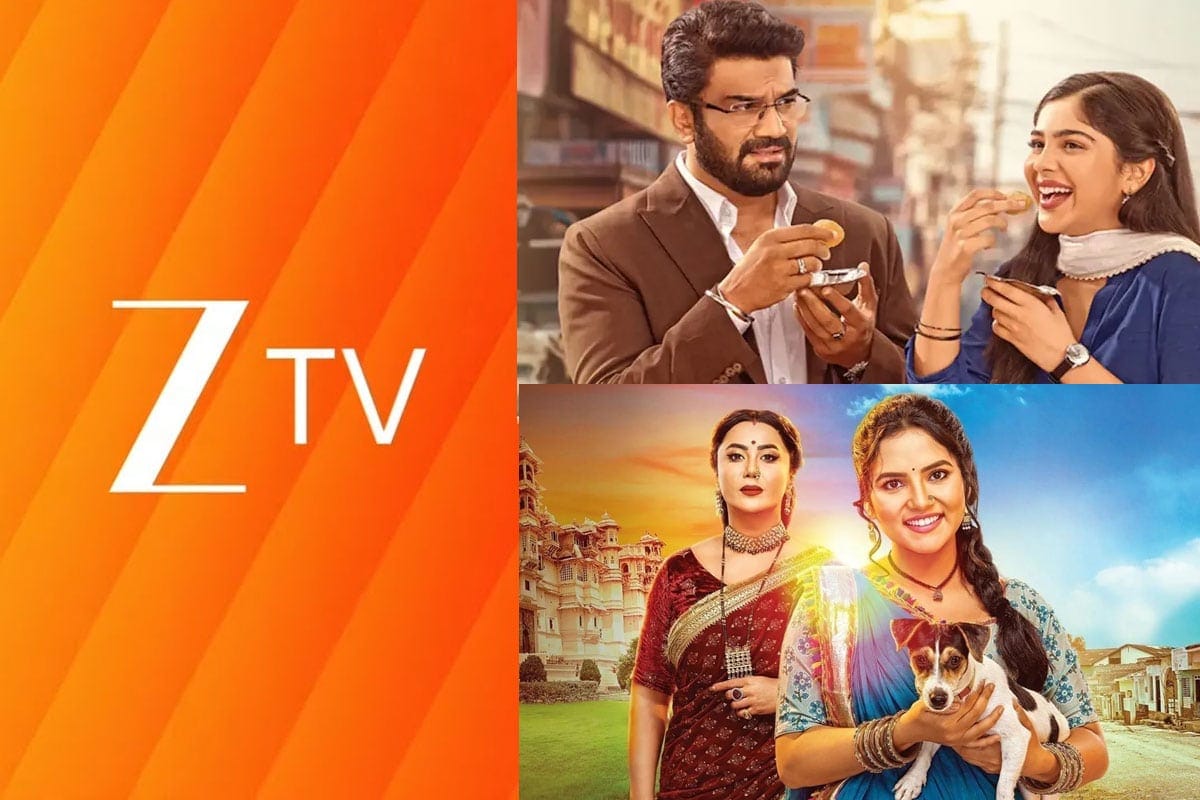
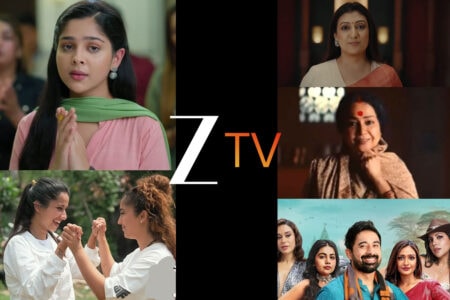
ZEE TV’s renewed prime‑time strength in India led by ‘Tumm Se Tumm Tak’, ‘Ganga Mai Ki Betiyan’ and ‘Vasudha’ has raised a clear question: why has this momentum not replicated in the UK, where BARB figures continue to place the channel’s share at 0.01% to 0.03%? The gap is striking, but according to insights shared with BizAsiaLive.com by Parul Goel, Territory Head Europe – Z5 and Linear, the explanation is far more complex than ratings alone suggest.
Goel emphasised that BARB’s numbers do not reflect the true scale of ZEE TV’s UK audience, saying, “What BARB shows is only a fraction, ZEE’s real audience in the UK is several multiples and much larger and growing multi‑folds across platforms.”
He highlighted the fundamental difference between the Indian and UK markets. “ZEE is a No.1 prime time network in India, with almost 20%+ share, operating at a mass scale where linear TV is still the primary driver. The UK, however, is a very different market, and it’s not a like‑for‑like comparison.”
The UK’s measurement system is built on a panel of around 7,000 homes, representing the entire country. For multicultural audiences, this creates a structural limitation, “Here, measurement is based on a panel of around 7,000 homes…what we see is more of a snapshot than the full picture; especially for multicultural audiences like ours, which are a small part of that overall sample.”
Goel added that BARB captures only a narrow slice of how content is consumed today, “The reality is that BARB today reflects only a fraction of how content is being consumed.”
While linear figures remain static, ZEE TV is seeing multi‑fold growth across digital platforms, social media and community ecosystems areas not fully represented in BARB’s reporting. Viewing behaviour in the UK also differs significantly from India, with certain niche or community‑focused genres sometimes outperforming broader entertainment simply due to concentrated, habitual viewing patterns. As Goel explained:
Related to this

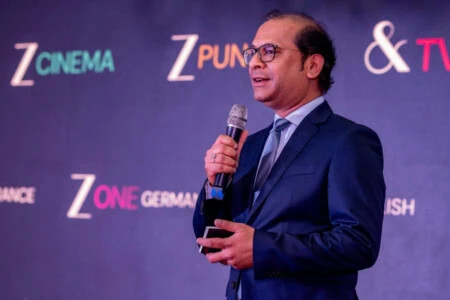
“Highly focused or religious, community‑led content can sometimes outperform broader entertainment… That doesn’t necessarily mean wider content isn’t performing; it just means consumption is happening differently and often across multiple platforms.”
He also stressed that ZEE UK today operates far beyond the traditional general entertainment channel model, “ZEE UK is not just a GEC, we are a multi‑platform, multi‑genre, multi‑language entertainment provider catering across age groups and consumption habits.”
Under Goel’s leadership, ZEE UK has become one of the most visible South Asian broadcasters on the ground, with extensive cultural partnerships, community initiatives and integrated marketing efforts that far exceed what BARB alone can capture. “That connection with audiences goes far beyond what any single metric can capture.”
Ultimately, Goel believes the demand for high‑quality Hindi entertainment in the UK is strong and rising — but the way audiences consume content has evolved, “The key point is simple: demand for high‑quality Hindi entertainment in the UK is strong and growing, it’s just being consumed across multiple platforms. ZEE is already aligned to that reality and building for where the audience actually is today.”
The disparity between India and the UK, therefore, is less a reflection of ZEE TV’s content and more a consequence of measurement limitations, changing consumption habits and the multi‑platform reality of modern viewing.