Why ‘Bigg Boss 20’ is struggling to find an audience in the UK
For years, ‘Bigg Boss’ has been one of the crown jewels in the Hindi entertainment calendar. It has traditionally delivered appointment viewing for fans, generated social media chatter and provided Colors TV with one of its biggest annual ratings spikes. This year, however, the story appears very different.
‘Bigg Boss 20’ has yet to cross the 10,000-viewer mark in the UK since launch, with weekday episodes averaging around 4,000 viewers. More surprisingly, even ‘Bigg Boss – Weekend Ka Vaar’, historically the show’s strongest performer thanks to host Salman Khan, has failed to deliver the uplift usually associated with the weekend editions.
The immediate question being asked across the industry is whether the casting is to blame.
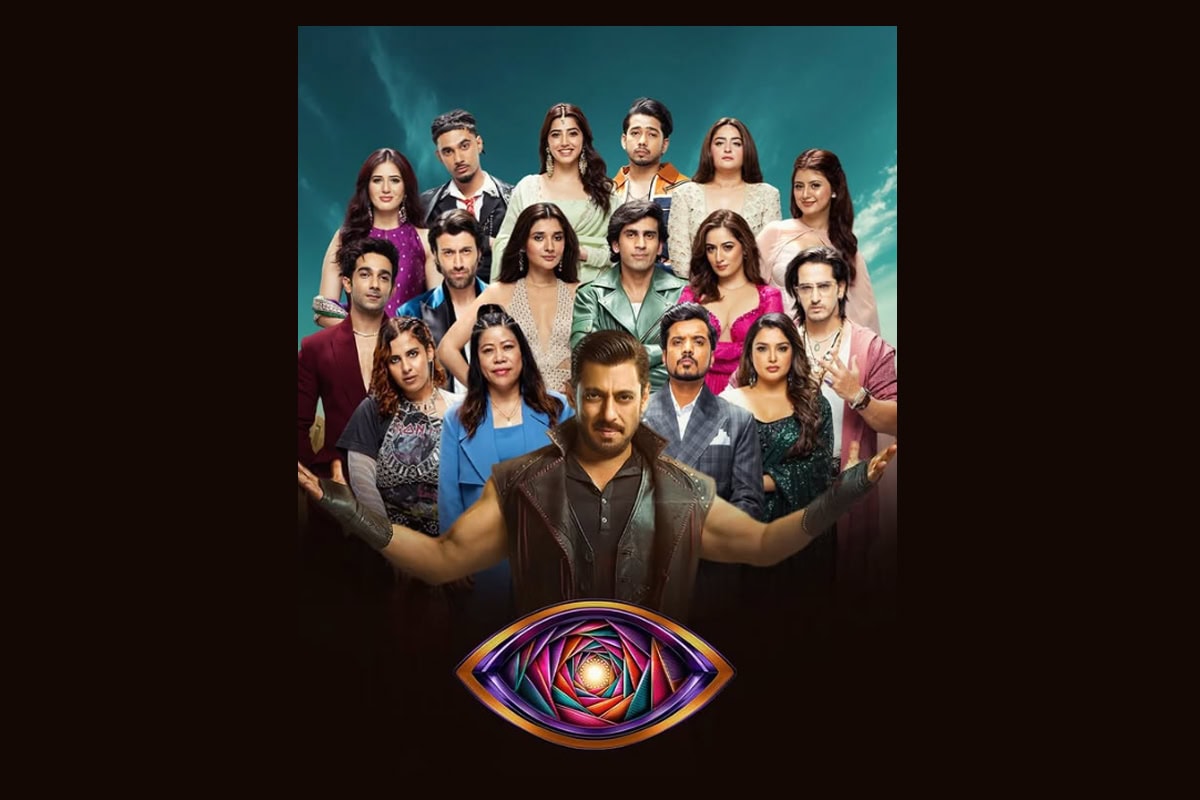
Ahead of launch, speculation was rife that several high-profile television and social media personalities would be entering the house. The rumour mill worked overtime, creating expectations of a headline-grabbing line-up. When the official contestant list was finally revealed, many of the names lacked the recognition and fan following that viewers had anticipated. While there were one or two familiar faces, the cast on the whole has struggled to generate the kind of excitement that typically fuels a successful ‘Bigg Boss’ season.
A reality format built on personality-driven drama relies heavily on contestants who arrive with established fan bases. Those fans not only tune in but also become the show’s biggest promoters across digital platforms. Without that initial traction, creating momentum becomes significantly more difficult.
However, placing all the blame on the cast may be too simplistic.
The season itself has endured a slow start, with few standout moments capable of driving conversation beyond the show’s core audience. Previous editions often produced viral clips, heated confrontations or unexpected alliances within days of launch. This season has yet to create a defining moment capable of cutting through the noise.
Related to this
 .
.
UK viewers FAQs about ‘Bigg Boss 20’ telecast
 .
.
First look of ‘Bigg Boss 20’ logo unveiled

There is also a broader market shift taking place. The launch of JioHotstar in the UK has added a fresh dimension to viewing habits among younger South Asian audiences. Backed by an extensive marketing campaign, the platform offers not only regular ‘Bigg Boss’ episodes but also a 24-hour live feed from the house and multiple regional versions of the format.
For viewers accustomed to consuming content on demand, the proposition is compelling. Rather than waiting for scheduled television broadcasts, fans can access the show whenever they choose, follow developments in real time and engage with a wider ecosystem of ‘Bigg Boss’ content. If even a fraction of the show’s traditional audience has migrated to streaming, the impact on linear television ratings would be significant.
The challenge for Colors TV is that both arguments may be true at the same time. A weaker-than-expected contestant line-up could have reduced initial interest, while the growing appeal of JioHotstar may be accelerating the migration of younger viewers away from traditional television.
Whether ratings recover will depend largely on the show’s ability to create must-watch moments in the weeks ahead. ‘Bigg Boss’ has a long history of turning quiet beginnings into headline-making television. Yet with audience habits changing rapidly and competition intensifying, ‘Bigg Boss 20’ faces one of its toughest battles in recent years.
The bigger concern for Colors TV is not whether this season can bounce back, but whether the traditional television model that once made ‘Bigg Boss’ a ratings powerhouse is beginning to lose its grip on viewers altogether.