Sky’s world‑first bundle prompts a question: could a Hotstar, ZEE5, SonyLIV, Chaupal pack work?

Sky made headlines today with a world‑first announcement: it is bringing Disney+, HBO Max, Netflix and Hayu together into a single Sky TV subscription.
The move positions Sky as the UK’s central home for premium entertainment, placing major global streaming apps alongside Sky Originals like ‘Saturday Night Live UK’ and exclusives such as ‘Heated Rivalry’. New customers will be able to get Sky, HBO Max, Disney+, Hayu and Netflix as part of the Sky Ultimate TV package from £24 a month, while existing Sky households gain access to over £20 worth of streaming apps included each month. Disney+ Standard with Ads arrives in March, HBO Max’s Basic tier launches on the 26th, and Hayu completes the line-up in July.
The announcement didn’t just spark conversation in the UK – it also drew attention internationally, particularly in regions with crowded OTT markets. And one question rose quickly to the surface: if the UK can integrate four global streaming giants into a single subscription, should other countries with fragmented OTT ecosystems consider doing the same? India, home to one of the world’s fastest‑growing streaming audiences, stands out in that discussion.
UK observers familiar with Indian platforms—especially the large South Asian diaspora—often point out how many separate subscriptions families currently manage. Hotstar for cricket and big‑budget dramas. SonyLIV for originals and premium thrillers. ZEE5 for multilingual libraries. Chaupal for Punjabi, Haryanvi and Bhojpuri content. Each platform brings something distinct, but the cost and complexity add up, especially for viewers abroad who already subscribe to multiple services.
BizAsia’s feature Media Pulse with Govind Shahi has previously mentioned: “The slow and fragmented approach of South Asian OTT platforms has led to a loss of potential market share. While global audiences have embraced OTT streaming, Asian networks have failed to capitalise on the trend, allowing mainstream platforms to dominate the space. The pricing strategy further complicates the issue. Subscribing to ZEE5 (£6.99), SonyLIV (£3.00), and Hotstar (£5.99) totals approximately £16 per month. In contrast, UK consumers can access all South Asian channels, Netflix, and Discovery+ for £12-£15 through Sky or Virgin Media, often with discounts reducing costs to £6.99. Given the limited daily fresh Hindi content and the absence of live TV, South Asian OTT platforms have inadvertently overpriced themselves out of the competition.”
Related to this
 .
.

 .
.
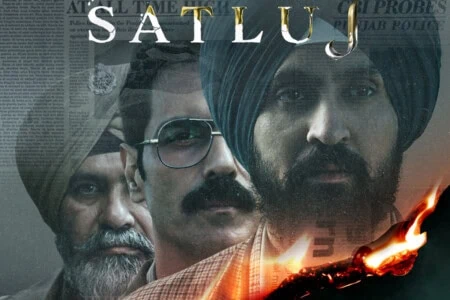
ZEE5 Global premieres Diljit Dosanjh’s ‘Satluj’
 .
.
ZEE TV & ZEE 5 to mark 100 years of Essel Group
From a UK perspective, a bundled Indian OTT package could be both practical and attractive. South Asian audiences form one of the most active streaming communities in the country, and Sky’s new aggregated model raises the question of whether platforms like Hotstar, SonyLIV, ZEE5 and Chaupal could benefit from a similar one‑price approach. The convenience alone would be significant: a single bill, a unified interface, and reduced friction for households juggling content across multiple languages and genres.
But the practical obstacles are equally clear. Indian OTT platforms operate on different business models, price points and licensing structures—especially when distributing content internationally. Hotstar’s sports rights are expensive to maintain. SonyLIV invests heavily in premium originals. ZEE5 prioritises scale across regional markets. Chaupal caters to niche but loyal language‑specific audiences. Bringing these together in the UK would require careful negotiations around revenue‑sharing, territory rights, data ownership and brand identity.
Even so, the idea has relevance. The UK market already demonstrates that bundled entertainment succeeds when it simplifies life for customers, ensures value, and preserves the distinctiveness of each included service. Sky’s new model doesn’t force Indian OTT platforms to follow—but it sets a precedent that others may now consider seriously.