The Evolution of OTT Platforms
The emergence of OTT (Over-The-Top) services from the early 2000s marked a significant shift in how audiences consumed media. Fuelled by the growing availability of broadband internet and a rising appetite for digital content, these platforms initially carved out a space by hosting reruns and niche programming. Over time, as streaming technology matured and internet speeds improved, OTT providers expanded their offerings. What began as a repository for past content quickly transformed into a dynamic ecosystem, delivering original series, live broadcasts, and exclusive coverage of sports and entertainment—reshaping the media landscape.
Netflix and Amazon Prime Video recognised this shift early on, investing heavily in original content along with language options to attract and retain subscribers. The rise of smart TVs and streaming devices like Roku, Chromecast, and Apple TV further contributed to the widespread adoption of OTT services. Historically, the South Asian diaspora relied on mainstream cable and satellite services to access Indian subcontinent content. However, as major international streaming platforms began incorporating South Asian programming, audiences increasingly migrated to these services. This shift, coupled with the absence of strong Indian and Pakistani OTT options, created a vacuum that either pushed audiences toward global players or fuelled piracy due to unavailability.
The Struggles of OTT Platforms from the Indian Subcontinent in Western Markets
Despite the growing demand for South Asian content, OTT platforms from the subcontinent have struggled to establish themselves in the UK. While some Indian apps have launched sporadically, their presence has been inconsistent. For instance, Hotstar entered the U.S. market only to withdraw abruptly, later integrating some of its content into Hulu/Disney. Similarly, Voot attempted expansion in the UK and the U.S. but was eventually pulled without a seamless transition to its successor, JioCinema (now JioStar). SonyLIV remains available in international markets but has yet to make a significant impact. ZEE5 Global is available in most markets but is yet to be super successful.
The slow and fragmented approach of South Asian OTT platforms has led to a loss of potential market share. While global audiences have embraced OTT streaming, Asian networks have failed to capitalise on the trend, allowing mainstream platforms to dominate the space. The pricing strategy further complicates the issue. Subscribing to ZEE5 (£6.99), SonyLIV (£3.00), and Hotstar (£5.99) totals approximately £16 per month. In contrast, UK consumers can access all South Asian channels, Netflix, and Discovery+ for £12-£15 through Sky or Virgin Media, often with discounts reducing costs to £6.99. Given the limited daily fresh Hindi content and the absence of live TV, South Asian OTT platforms have inadvertently overpriced themselves out of the competition.
The Role of Bundling in OTT Success
The global OTT market is evolving beyond direct-to-consumer (D2C) models. As subscriber churn increases, bundling has emerged as a key strategy to improve retention. At the recent Connected TV World Summit (CTWS), Ampere Analysis highlighted how bundling reduces churn and enhances customer retention.
Key insights from the UK and U.S. markets include:
• Consumer demand for ad-supported tiers in subscription video-on-demand (SVoD) services is growing.
• In the UK, ad-supported tiers attract price-sensitive households that previously avoided SVoD services.
• In the U.S., ad-supported tiers help consumers stack multiple services while limiting subscription cancellations.
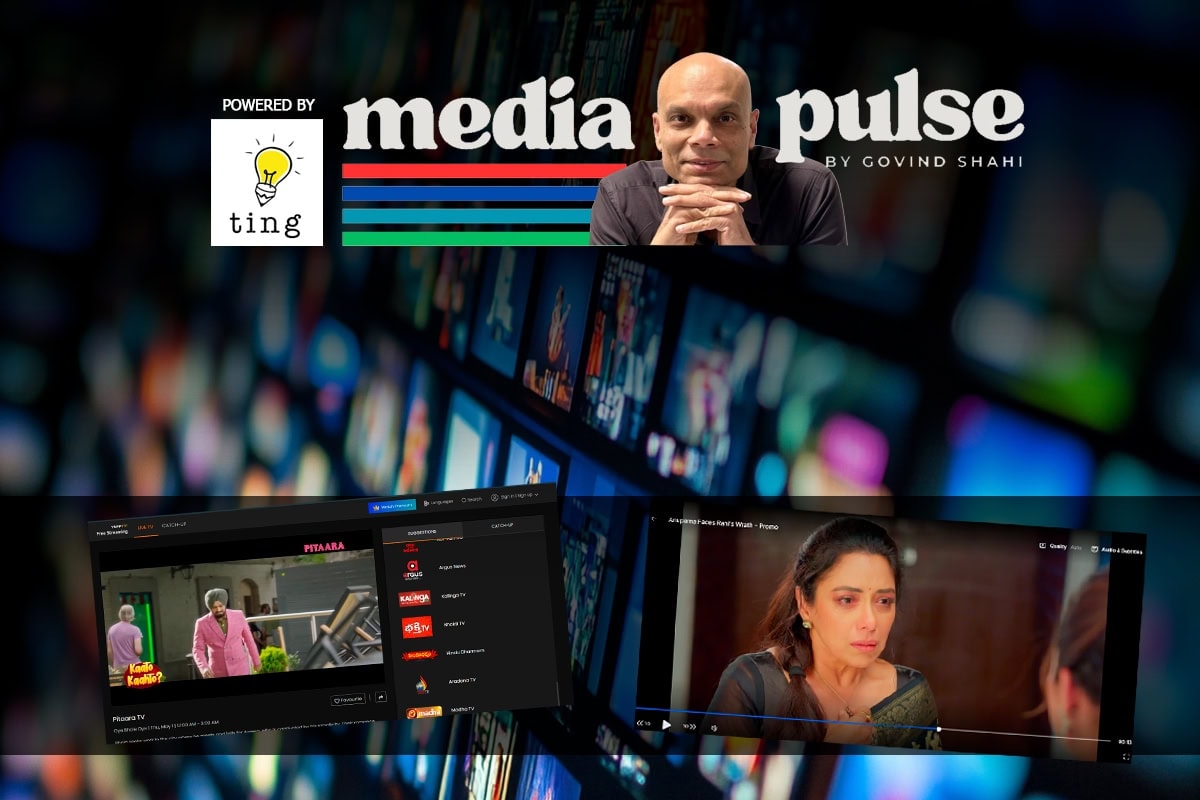
YuppTV has attempted a bundling strategy by offering SonyLIV alongside live South Asian channels, but its success has been limited due to two major shortcomings:
1. The bundle does not include all key South Asian OTT players.
2. Marketing efforts and acquisition strategies remain weak, limiting consumer adoption.
Related to this




The Road Ahead
South Asian OTT platforms need to rethink their approach if they wish to thrive in the UK/US market. Key areas of improvement include:
• Stronger Bundling Strategies: Collaboration with global aggregators and regional platforms can help reduce costs and improve accessibility.
• Improved Content Offerings: More exclusive and original content tailored to diaspora audiences is essential. Local programme will become a must to attract the younger audience
• Enhanced Marketing and Distribution: A robust acquisition and retention strategy is needed to attract long-term subscribers. More on-ground presence will amplify the brand availability
• Ad-Supported Tiers: Offering lower-cost, ad-supported tiers could help attract a broader audience.
Until these challenges are addressed, South Asian OTT platforms will continue to struggle, leaving the diaspora dependent on global streaming giants or resorting to piracy. The market/ revenue potential exists but execution will determine their success.