
TIFF 2026 Film Review: ‘Phoolan’

Telling the story of a national folk hero like Phoolan Devi is not an easy task. Based on her own words in ‘I, Phoolan Devi: The Autobiography of India’s Bandit Queen’ (1996), Richie Mehta attempts to capture the spirit the famous outlaw of the without the victimization of Shekhar Kapur’s ‘Bandit Queen’ (1994) which she herself didn’t approve of.
‘Phoolan’ centers on a village siege by an army of police officers searching for the notorious Phoolan Devi (Sneha Kumari), the monster who has terrorized hundreds of men. We go back and forth in time, swinging between the community’s perception of this figure, and the actual circumstances that got her here. Flashbacks show us Phoolan – a young victim of caste and gender violence, learning to channel her anger into vigilante justice. Present day (1981 in the film’s context) shows us a village committed to protecting her, and a police officer (an impeccable Anurag Thakur) questioning the morality of villainizing the young woman he has been ordered to hunt down.
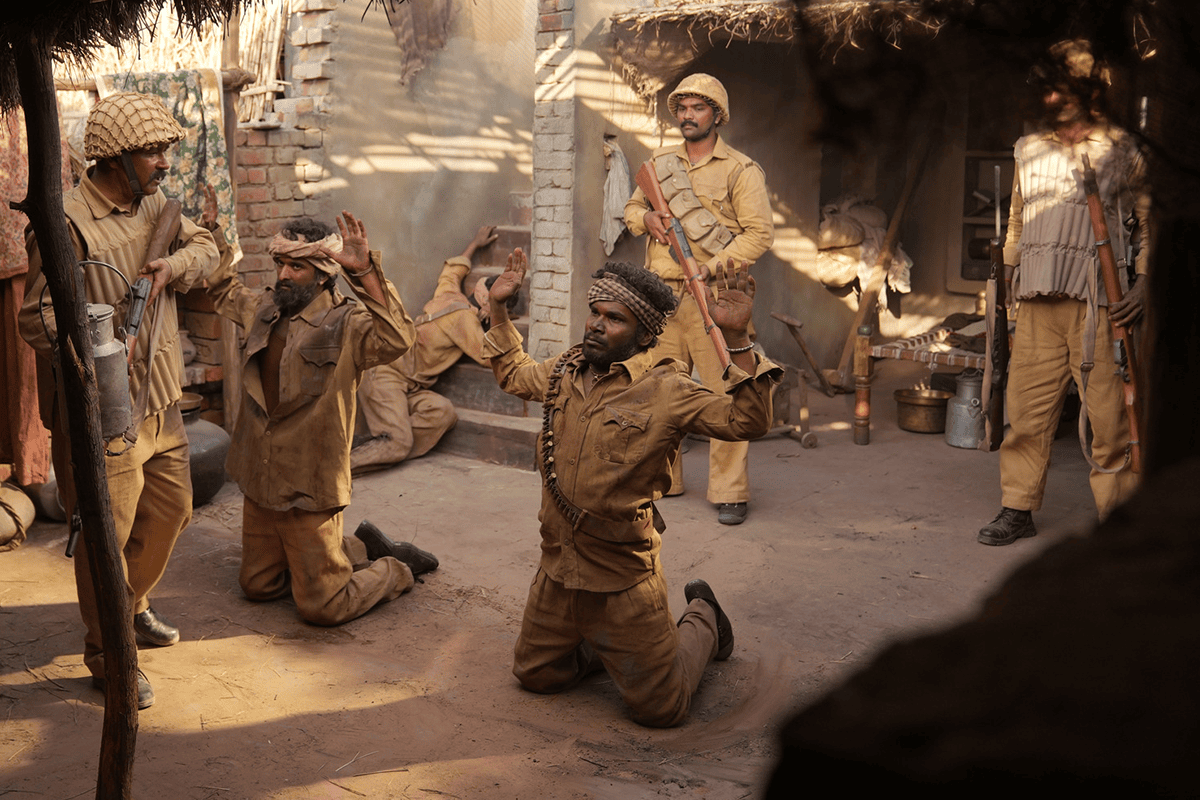
Richie Mehta insists that he is not the right person for a biopic on Phoolan Devi, and it’s easy to see his point. As a biopic, ‘Phoolan’ doesn’t provide a clear perspective on its subject. There is no clear stand on whether Phoolan’s life story is a triumph or tragedy. The film is not interested in the controversy that has surrounded Phoolan Devi in the zeitgeist, or her legacy as a martyr. Sneha Kumari’s compelling performance has glimpses of everything we expect to see in a dramatization of this historic persona, but the narrative doesn’t have any of those embellishments.
Related to this
 .
.
 .
.
TIFF 2026 Movie Review: ‘Dorothy’
For Mehta, it seems, the subject of his film isn’t Phoolan, it’s the society that created her and continues to glorify her. Through his characters, he explores our tendency to project our own savior complex onto stories like Phoolan’s. We as a society weren’t there to stop the atrocities that happened to her, so let’s deify her resilience, let’s glorify her as a hero, let’s victimize her, villainize her, use her as an example for what should or shouldn’t be acceptable. But as the director, he refuses to exploit her life for the sake of the narrative. Each moment of ideological projection onto Phoolan is followed be a stark reminder that she was just a child. A teenage girl forced to demand justice when all she wanted was mercy.
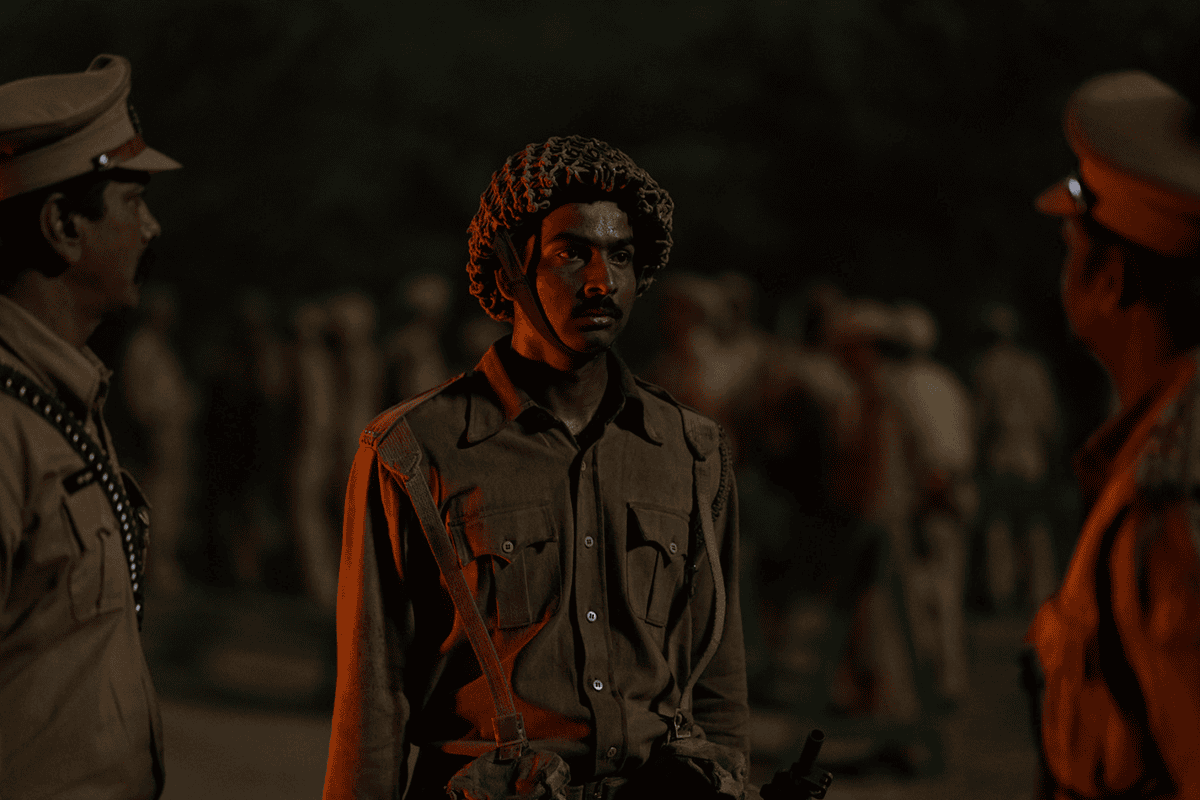
This tug of war between the artist and his subject, the perception of the subject vs. reality, is what makes an otherwise straightforward film interesting. In Mehta’s version of this story, Phoolan Devi represents a mistake we refuse to learn from. We might not learn anything new about our heroine, but hopefully by the end of this film we learn a little more about ourselves.