


Parul Goel at Connected TV World Summit: “ZEE’s Europe-focused strategy has concentrated on operating inside established global ecosystem”
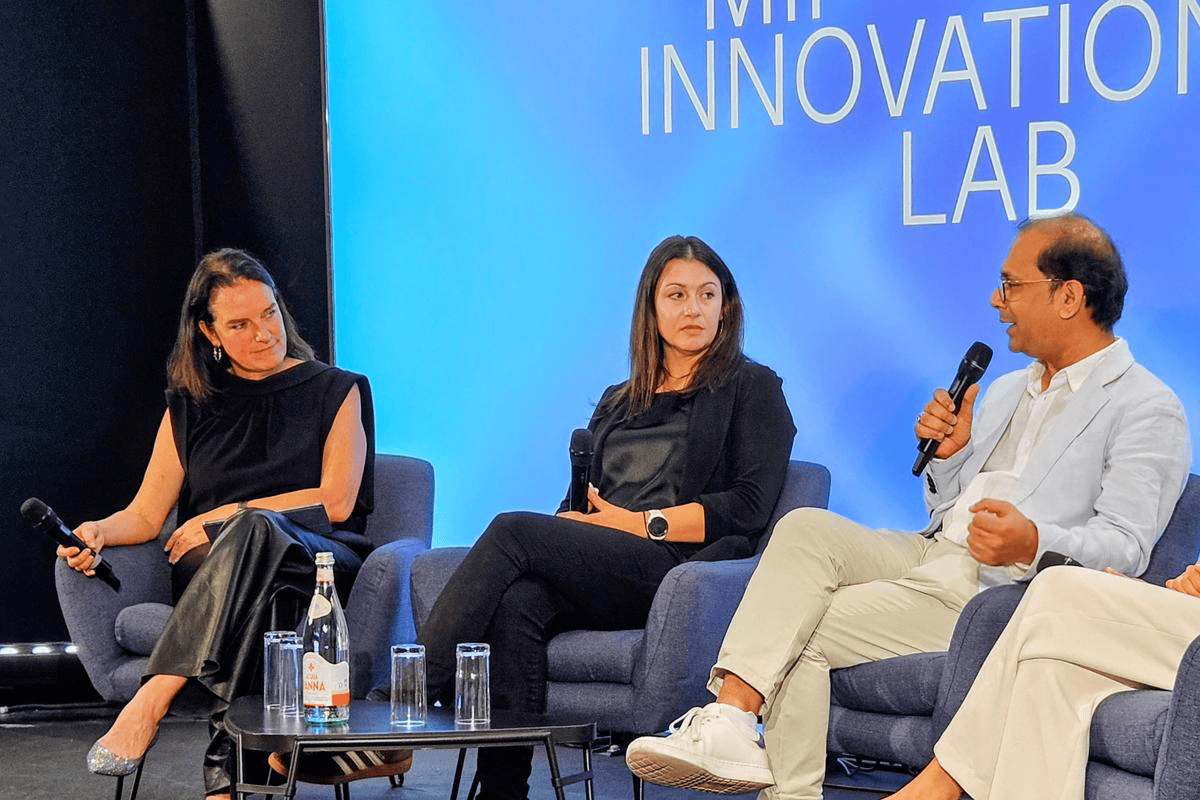
As global conversations around the internationalisation of Indian content continue to gain momentum, Europe’s television and streaming industry presents a more grounded reality: the globalisation of South Asian media is no longer a future ambition, it is already being executed on the ground.
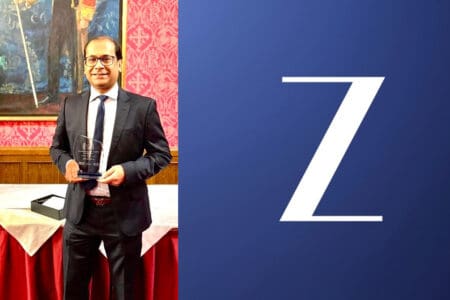
Over the past three to four years, Parul Goel, Territory Head – Europe and CFO for Europe & Americas at ZEE Entertainment, has maintained a consistent and active presence across Europe’s mainstream television, streaming and connected-TV ecosystem. During this period, he has often been the sole representative from a South Asian broadcast network participating regularly in the industry’s core strategic forums, rather than operating through parallel or diaspora-focused platforms.
This engagement has extended well beyond visibility or representation. Through ZEE Entertainment’s European operations, South Asian content has been aligned with the same commercial, technological and monetisation frameworks that underpin the European media market -including FAST channel strategies, AVOD partnerships, SVOD expansion and multilingual digital distribution across key territories.
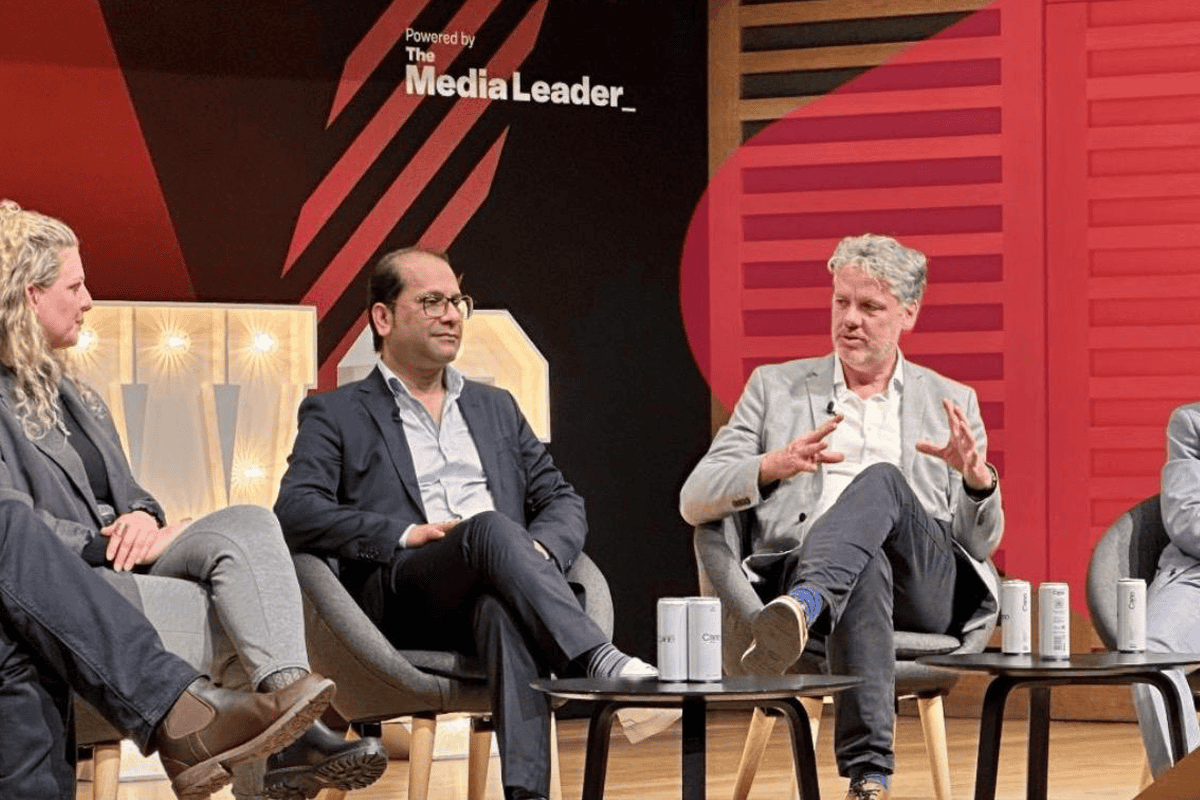
Beyond Connected TV–focused forums, this sustained engagement has extended
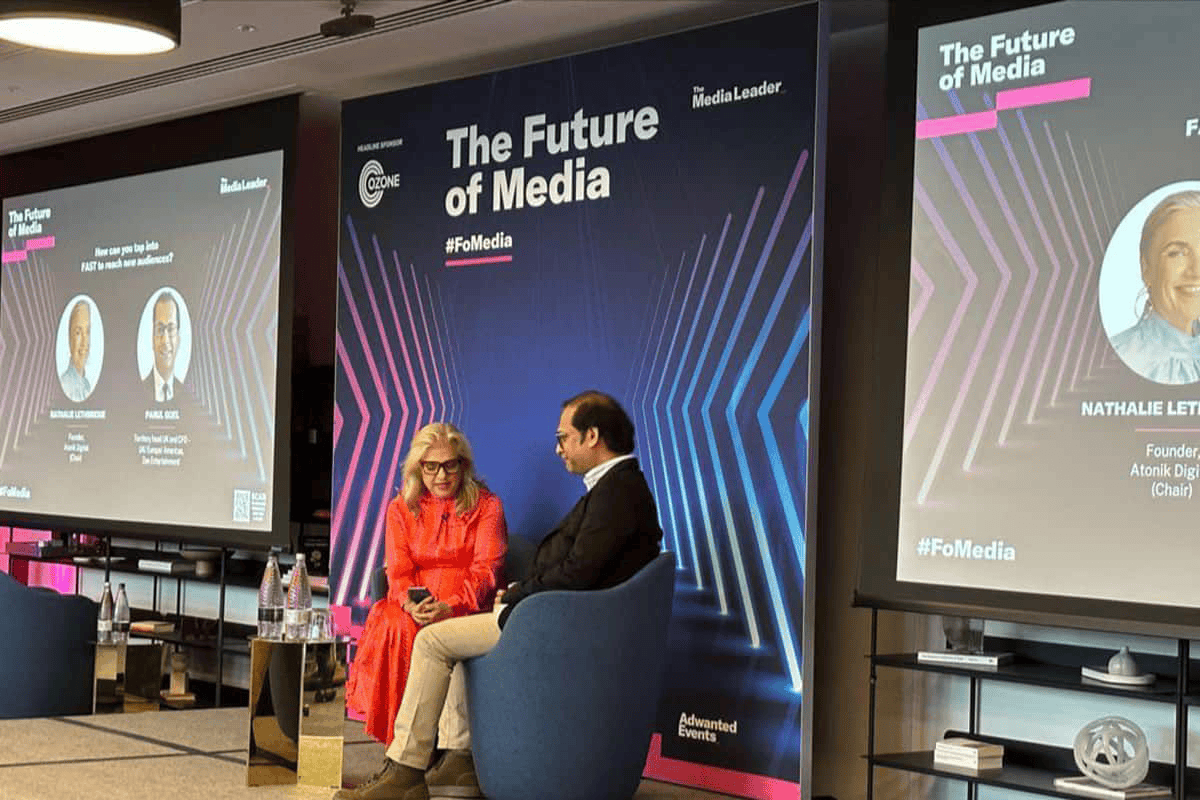
across the industry’s most influential global platforms. From the Future of Media Summit to the Connected TV World Summit and international content markets such as MIPCOM, Goel has maintained a consistent South Asian presence within mainstream industry discourse – sharing stages and strategic discussions with executives from global studios, platforms and broadcasters including Roku, Fremantle, ZDF Studios and other major European and international media groups. These engagements have focused on execution: content strategy, international distribution, monetisation frameworks and the evolving economics of global television.
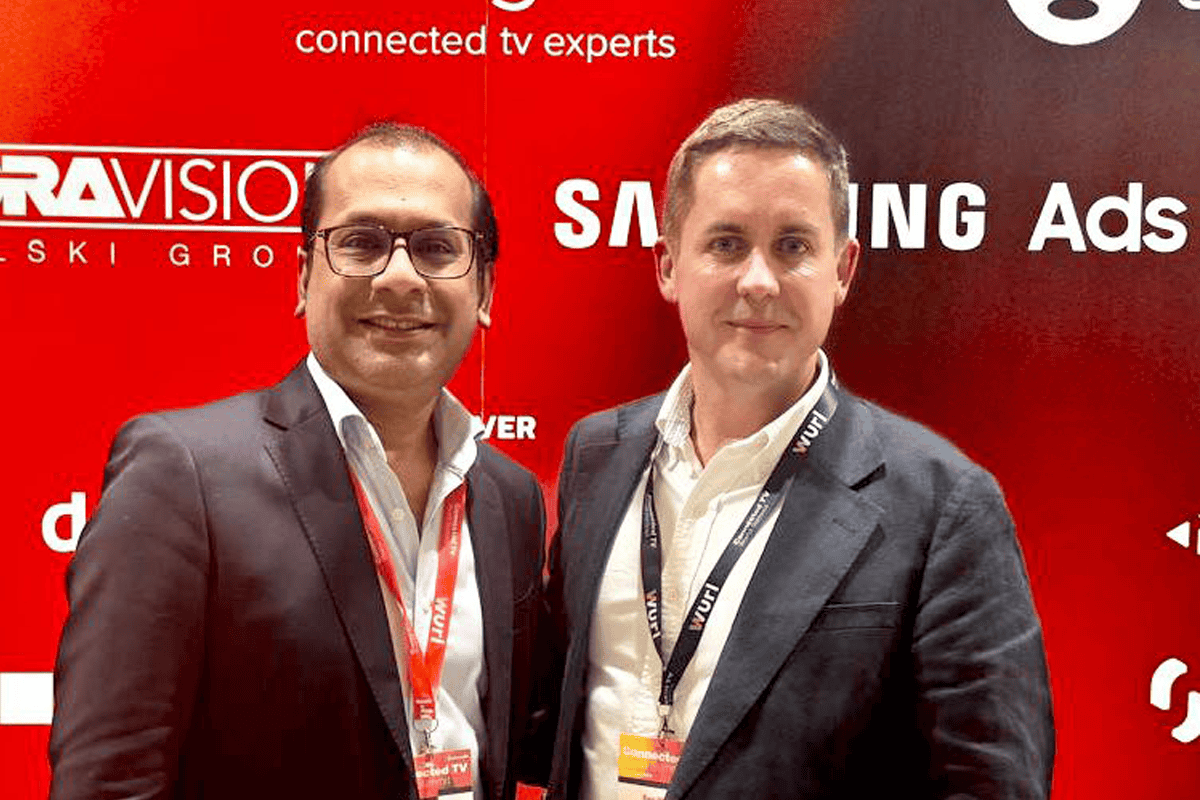
What distinguishes this trajectory is continuity rather than occasion. While much of the discussion around taking Indian content global remains anchored in announcements or future intent, ZEE’s Europe-focused strategy has concentrated on operating inside established global ecosystems — engaging directly with the same partners, platforms and markets that define international television and streaming economics.
Historically, South Asian content in Europe has largely been approached through a diaspora-led lens. Over recent years, however, that framing has begun to evolve. Indian content is increasingly discussed alongside global catalogues and studios, not as a niche segment, but as part of broader conversations around discovery, audience behaviour, advertising-led growth and platform economics.
Related to this
 .
.
Special Feature: The rise of ZEE TV in the UK
 .
.
 .
.
 .
.
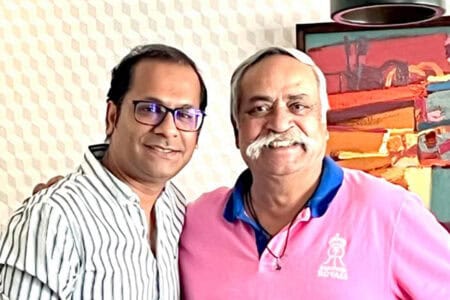
Parul Goel: A eulogy for advertising legend, Piyush Pandey
This shift was reflected most recently at the Connected TV World Summit in London, where Goel spoke on evolving content and distribution strategies alongside senior leaders from European broadcasters, global streaming platforms and media technology companies — reinforcing the transition from representation to active participation in mainstream industry decision-making.
Industry observers note that, during this period, few — if any — other South Asian broadcasters have demonstrated a comparable level of sustained engagement across Europe’s mainstream TV and content ecosystem, particularly across FAST, AVOD, SVOD and platform-integrated distribution models.
Rather than marking a single milestone, this trajectory reflects a long-term execution mindset — one that has quietly embedded South Asian media within the same strategic frameworks shaping the future of global television.
As Europe’s media landscape continues to fragment, aggregate and evolve, the implication is increasingly clear: the globalisation of Indian content is already underway – driven by those operating inside international markets, not merely discussing them from afar.
The shift is less about visibility, and more about sustained participation in the same rooms where global media strategy is being defined.