

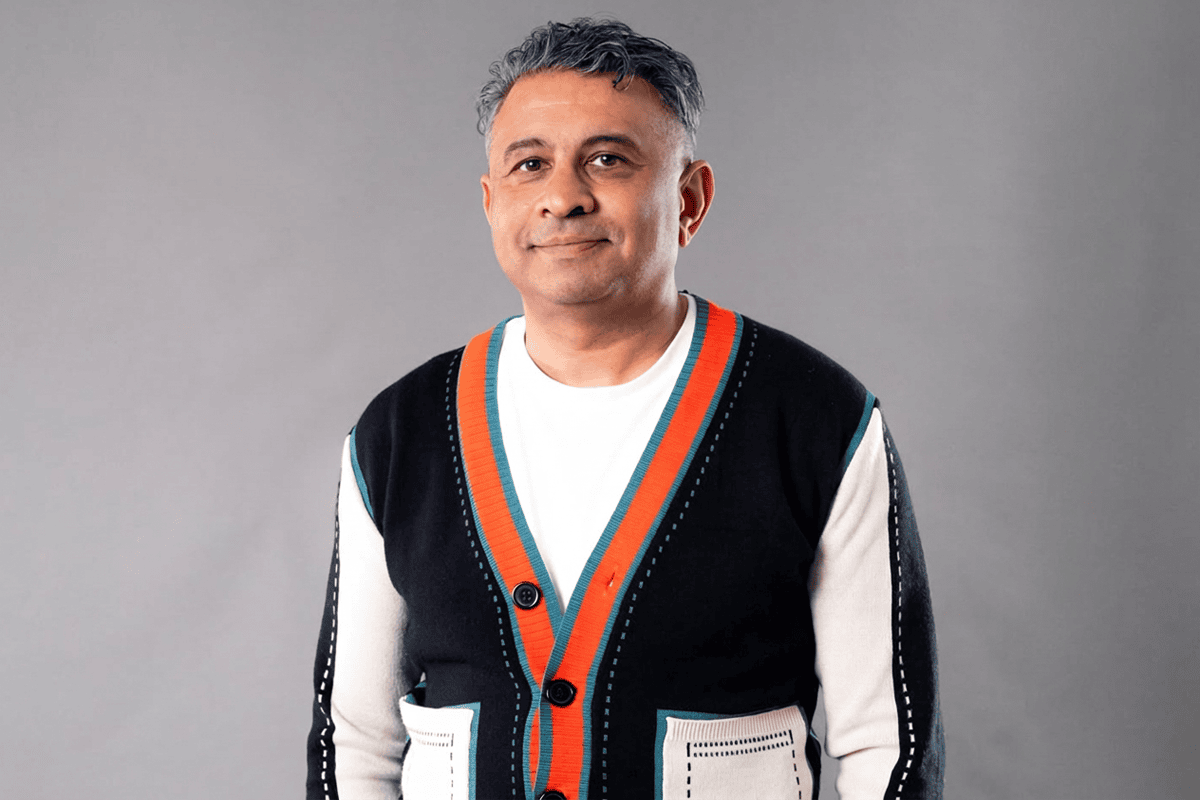
Few figures have had as significant an impact on British Asian music and culture as Ammo Talwar MBE. As the founder of Punch Records and a leading advocate for diversity within the UK music industry, Talwar has spent more than three decades championing artists, nurturing talent and helping shape conversations around representation and inclusion.
Growing up in Birmingham during a period of immense cultural change, Talwar witnessed first-hand the emergence of influential music scenes that blended South Asian, Caribbean, Black British and electronic influences. From the rise of bhangra and the Asian Underground movement to the global success of artists such as Apache Indian and today’s stadium-filling Punjabi stars, he has observed the evolution of British Asian music from multiple perspectives.
Now, as Punch approaches its 30th anniversary and Talwar launches the new artist-focused Parlay Records label, he remains firmly focused on the future. In this exclusive interview with BizAsia, he reflects on the changing music landscape, the legacy of British Asian music, the impact of Apache Indian, diversity within the industry and why he believes a new creative renaissance is underway.
You’ve had a front-row seat to the evolution of British Asian music for more than three decades. How would you describe the industry’s journey from the 1990s to today?
I describe the journey for British Asian music as the music industry being quite ‘eyes in, fingers out’. What I mean by that is the UK music industry from the nineties – with bands like Alaap, Apna Sangeet & DCS all the way through to mainstream signings like Apache Indian and Bally Sagoo, and obviously the Asian underground movement with Talvin Singh – has always been interested but not always committed financially. Sometimes the mainstream want to adopt areas where they can obviously make commercial revenue. But there’s always been a really interesting underground scene, whether it’s DJ producers like Zeus or RDB, as well as a lot of the new school producers that are doing stuff internationally. I think historically the UK used to export out to Canada and India, and now I think that would be the reverse with India and Canada, building more confidence, a little bit more infrastructure and their artists being more globally appealing, whilst the music has become a lot better as well. So you have Diljit and Karan playing in stadiums and arenas in the UK, and there is a festival in Malta. We have almost gone full circle in the evolution of this music. The UK community’s culture and music will only get stronger.
“And I think during that whole period, it wasn’t just about the city, it was a global thing about the music that was coming into our city. So we had a massive influx of American hip hop, you had Hip House artists like Doug Lazy, you had ragga and reggae.”
What’s the biggest change you’ve seen in the music business since launching Punch Records?
I think the biggest changes have been how we consume music and culture and also how we share it. So it’s easier now to make a banger than it’s ever been before. But you’re competing with a global market. Everybody in the world from Mombasa all the way through to Vancouver. I also see massive changes in terms of how the diaspora used to go out. So students, historically, if you go back thirty, forty years, you know, we didn’t necessarily have the freedom that we have now. And there was a lot less appetite for large scale events in the UK, so in the early nineties, you used to have regular student events at major venues that you host 2.5-3 thousand people. Venues like Bagleys, venues like Hammersmith Palais, The Dome and Maestro’s. And we know we no longer have those regular weekly big raves. I think now they tend to be more thematic and less often. So I think technology and the way the next generation diaspora has changed culturally are the two major components that have seen massive change.
What was special about growing up in Birmingham during that period, when so many influential cultural movements were emerging?
Growing up in Birmingham during that period was really special because I grew up in Aston, which is next to Handsworth. Obviously you have the famous Soho Road, you had Original 90’s Daytimers, you had massive venues, a really big student scene. There was a real hunger, but almost confusion around understanding who we were, what we were doing. But musically as well, I think the communities, the Black community, the Asian community, they were so close to each other that it was only natural that the artists would share not just food, but share music. And I think during that whole period, it wasn’t just about the city, it was a global thing about the music that was coming into our city. So we had a massive influx of American hip hop, you had Hip House artists like Doug Lazy, you had ragga and reggae. Rave music was really big. Old school and new school bhangra. You amalgamate all of those sounds. And, of course Acid house and club culture. We have always been a bit of a melting pot, more so I think in Birmingham than London – which you’d think obviously has a larger population, but with Birmingham as a smaller city of one million people, the communities just merged more naturally, which I thought was quite interesting.
Do you think British Asian music gets the recognition it deserves when discussing the history of UK music?
When discussing UK music, British Asian music doesn’t necessarily get the love that it deserves, primarily because we’ve built other genres that are potentially bigger and globally more appealing. When I say that I’m talking about genres like UK garage, jungle, drum and bass and drill. South Asian sounds doesn’t get the recognition it deserves because we need more journalists unpacking the sounds. We need more of our diaspora media really talking about the evolution of UK South Asian music. From, as I said before, the big band sound through to the DJ sound, through to the underground sound, through to the producer sound, into this new wave of, you know, really interesting artists and organizations like Dialled In or Daytimers, or all the stuff that Bobby Friction’s doing and just that merging of music. So my plain answer is no.
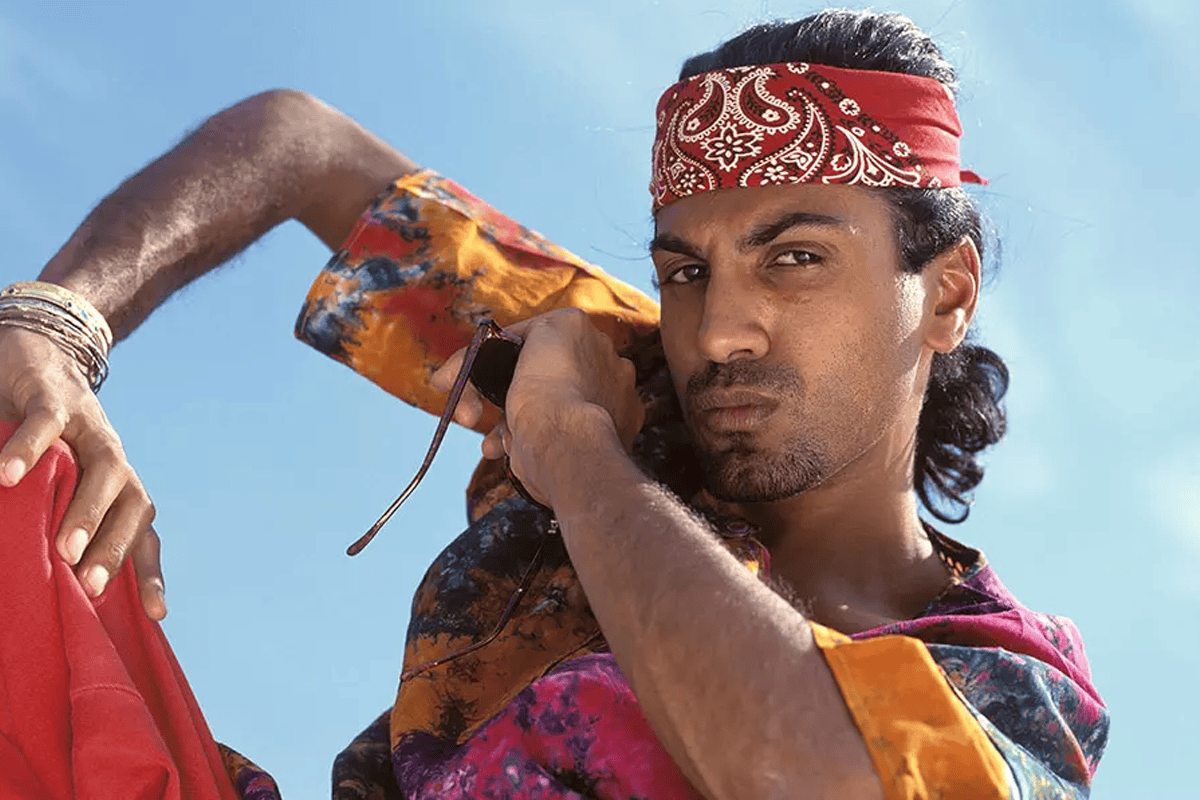
You witnessed the rise of Apache Indian at close quarters. What made him such a groundbreaking artist?
Yeah, I was fortunate enough to have a really close window into the rise of Apache Indian. My brother managed him. So I think what made Apache so unique was what he stood for and how he communicated that mix up culture of the Caribbean, but holding on to his Indian roots. At the same time, in those days, the people didn’t really see you on TV. People just heard you through radio. There was an artist called Supercat at the time who was from Jamaica. And Apache sounded a lot like Supercat. So I think his voice really made him unique. He was immersed in the culture and I think his style and the things that he spoke about, those were the unique components of what made Apache Indian such a groundbreaking artist.
What do you think today’s artists can learn from the way Apache Indian built his career and crossed cultural boundaries?
I think what people can perhaps learn from the way Apache built his career was, just be your authentic self. Apache has always been himself and still is. So modern day contemporary artists, they just got to be themselves, tell those stories that affect their lives. That said, artists should try not to let the algorithms or the technology or the data push you somewhere that you perhaps don’t want to go, or isn’t true to who you are. I think good music is good music, and if it’s great, it will cut through.
What motivated you to launch Parlay Records at this stage of your career?
The motivation behind setting up Parlay Records at this stage in my career was to create the kind of label I always wished existed for emerging artists; one that is genuinely artist-led, culturally connected and focused on long-term development.
Our head of A&R Jezta, and our creative director RTkal are both artists, so they understand first-hand what artists need, not just creatively but commercially and professionally as well.
We’re an independent label that is distributed through Orchard and Absolute. which are major distributors in the UK and globally. What really excites me is our ability to identify talent early and help shape careers. We sit at the intersection of UK rap, dancehall, reggae and emerging sounds, and we’re particularly interested in artists with something distinctive to say. The label is about new talent from anywhere around the world. Anything that we’re really interested in, anything that’s fresh, anything that’s challenging, even a new sound the wider industry hasn’t quite caught onto yet, we will look to shape and develop artists of the future. That’s the vision of the label and what we’re excited about.
“I think we’re in a renaissance period of music. I think in the next two to five years, there’ll be some great stuff going on.”
What qualities do you look for in new talent today?
The qualities that I look for in talented new artists today are individuals that can really understand where they sit in their musical ecosystem. Their ability to be able to take risks, collaborate,and just be resilient because obviously the DSPs don’t pay a lot. So you really have to understand the total music industry, especially live and looking at developing merch and partnerships. So quality of music, obviously undeniable,fresh new ways of working. But resilience, I think, is the key thing for us – having hopefully a team of individuals or we could be that team for you. So the openness around taking work to the market are the key areas and qualities.
As Punch approaches its 30th anniversary, what makes you most optimistic about the future of British Asian music and the next generation of talent?
Yeah, I’m very excited. You know, we’re entering our 30th year as a company and very positive about new music and the state of play, especially around British Asian music, and Black music, primarily because we’ve got a really good set of creators, producers and people that want to take work to the global market. I’m very excited because, whilst we have a recession and we’ve just come out of Covid and there’s a high cost of living, innovation and creativity is at its highest. So if you look at the history of music, the best music tends to come when people are probably at their lowest ebb or lowest point of financial stability. So I’m very excited. I think we’re in a renaissance period of music. I think in the next two to five years, there’ll be some great stuff going on. And also you’ve got really interesting festivals and promoters and brands doing really interesting things for the broader South Asian diaspora as well. So I’m positive.
Tell us about your work as chair of the UK Music Diversity Taskforce and pushing for diversity in the music business?
I was the chair of the Diversity Task Force and I was there for six years, bringing together labels, publishers, managers, live music businesses and trade bodies to take a hard look at the reality of who was, and wasn’t progressing within the industry.
Leading the way, looking at data, looking at how the industry affects people who work. So it was very much people who work behind the scenes, the industry workforce, rather than talent. And it was really taking a look at how bad it is, or the things that we needed to do to improve the roles and positions of the South Asian and Black community. And we found with some of the stats and the facts, and being data driven, but also through stories that are shared with us that our communities were not necessarily getting the respect, or the positions of power that they really should deserve. Especially amongst the metropolitan cities like London, Birmingham, and Manchester, where diversity is up nearly 40-50% across those three cities. But that diversity isn’t always reflected in the offices, boardrooms and executive teams that shape our industry. So we need better representation.
I rolled out a 10 Point Plan and did some strategic work that helped shape progress and worked to move the dial a little bit. It helped drive greater accountability around recruitment, progression and leadership. We also led initiatives such as Black Music Means Business, the first report of its kind which measured the enormous cultural and economic contribution Black music makes to the UK music industry. Which led to recommendations beyond representation alone and towards ownership, leadership and investment. When diverse communities drive so much of popular culture, they should also be represented in the rooms where decisions are made. We have made progress, but there’s still a lot more work to be done.
What do you think British Asian culture’s contribution to UK music has been?
British Asian music’s greatest contribution has been fusion. We’ve always been connectors, taking influences from South Asia, the Caribbean, Black British culture, electronic music, hip hop and club culture and creating something new. Whether that’s bhangra, Asian Underground or today’s new generation of artists and producers, the contribution has always been about innovation, experimentation and bringing communities together.
Is there anything else you’d like to add?
It’s nice to be important, but it’s more important to be nice.