
Atif Aslam releases fourth studio album ‘Subah Aye Na’
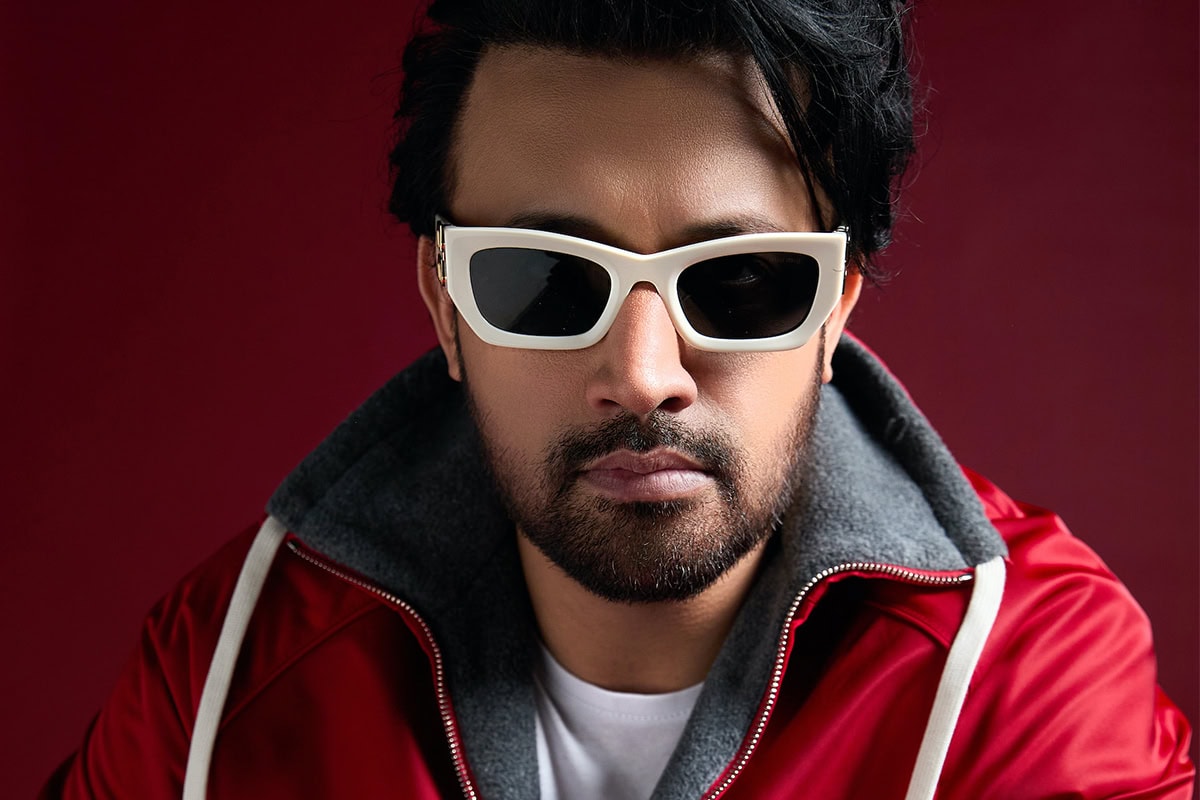
Atif Aslam has released his long‑awaited fourth studio album ‘Subah Aye Na’, marking a significant moment in the singer’s career nearly two decades after his last full‑length record. For millions who have grown up with Aslam’s voice as the backdrop to love, loss and hope, the album signals a deliberate shift in artistic direction rather than a return to familiar territory.
Aslam describes the project as a reset — a conscious move away from expectation and towards rediscovery. “I’m releasing this album after 18 years because somewhere along the way I forgot why I started making music and who I really am as an artist,” he says. “People made me a star — and I am so grateful — but now I want to be an artist who is fearless enough to create whatever he truly believes in.”
That philosophy shapes the album’s sound. Drawing on the different musical phases of his career, ‘Subah Aye Na’ moves across genres while retaining the emotional clarity associated with Aslam’s work. The songs are built to meet listeners at different points in their lives — romance, friendship, healing or personal reflection — without leaning on nostalgia.
The lead single, ‘Hun Ishq Mein’, sets the tone. Aslam frames it as a cinematic story of love, sacrifice and timing. “It’s about walking away from someone you truly love because life demands it, only for that person to understand the truth when it’s already too late,” he says. “At its heart, the song is about losing yourself in the darkness before ultimately discovering who you really are.”
Aslam’s recent project, Borderless World, sits outside the creative universe of the new album. While it strengthened his commitment to artistic independence, he notes that ‘Subah Aye Na’ evolved on its own terms. “Borderless World is a giant project on its own and we’re excited to release the next season in 2027,” he says. “It has given us an incredible understanding of the changing nature of the music business.”
‘Subah Aye Na’ is built on collaboration, with composers, lyricists and visual creators contributing to a record designed to reflect authenticity rather than formula. For Aslam, the 18‑year gap between albums is not a gesture towards the past but a step into a new creative future.